Understanding the Role of Measured Building Surveyors London
In the bustling urban landscape of London, measured building surveyors play a critical role in providing accurate and detailed assessments of structures. These specialists deliver invaluable insights into a building's dimensions, layout, and condition, essential for architects, engineers, and property developers. Measured Building Surveyors London are equipped with advanced technologies to facilitate precision surveying, ensuring your projects are backed by reliable data and informed decisions.
What Services Do Measured Building Surveyors Offer?
Measured building surveyors offer a wide range of services tailored to meet the diverse needs of their clients. Key services include:
- Measured Building Surveys: Detailed documentation of building dimensions and features, including floor plans and elevation drawings.
- Topographical Surveys: Mapping the physical features of a site, including contours, boundaries, and existing structures.
- Utility Surveys: Identification and mapping of underground utilities to avoid potential disruptions during construction.
- CCTV Drainage Surveys: Inspection and analysis of drainage systems to identify any blockages or damage.
Importance of Accurate Measurements for Construction Projects
Accurate measurements are the foundation of successful construction projects, impacting everything from design and planning to compliance and safety. Inaccurate data can lead to costly errors, delays, and compliance issues. Measured surveys provide a factual basis for decision-making, ensuring that architects and engineers have all the necessary information to deliver projects on time and within budget.
How Measured Building Surveys Help in Risk Mitigation
Risk management is integral to any construction project. Measured building surveys help in identifying potential risks early on by revealing structural issues, discrepancies in measurements, or compliance violations. This foresight allows project teams to address challenges proactively, reducing the likelihood of costly rework and ensuring smoother project execution.
Types of Measured Surveys and Their Applications
Understanding the different types of measured surveys available is crucial for selecting the appropriate service for your project. Here is an overview of the primary types:
Overview of Different Measured Survey Types
- 2D Measured Surveys: These surveys provide a flat representation of a building's layout, detailing walls, doors, and features without elevation data.
- 3D Measured Surveys: Using advanced laser scanning technology, these surveys create three-dimensional models of a building, capturing intricate details of its structure.
- Topographical Surveys: These focus on the land itself, documenting contours and elevations to aid in site planning and development.
Using Surveys for Renovations and Extensions
Renovating or extending a property requires precise measurements to ensure compatibility with existing structures. Measured building surveys provide the detailed insights necessary for these projects, allowing architects to design alterations that seamlessly integrate with the original building. This level of detail is particularly beneficial in historic properties, where accuracy is essential.
Case Studies: Successful Projects with Measured Surveys
Many successful projects have relied on the expertise of measured building surveyors. For instance, a recent renovation of a historic building in central London highlighted how a comprehensive survey identified structural weaknesses that needed to be addressed. This foresight not only protected the integrity of the building but also saved the client considerable costs by preventing future issues.
Advanced Technologies in Measured Building Surveying
The surveying industry is continually evolving, with new technologies enhancing the accuracy and efficiency of measured surveys. Key advancements include:
Benefits of Laser Scanning and Total Stations
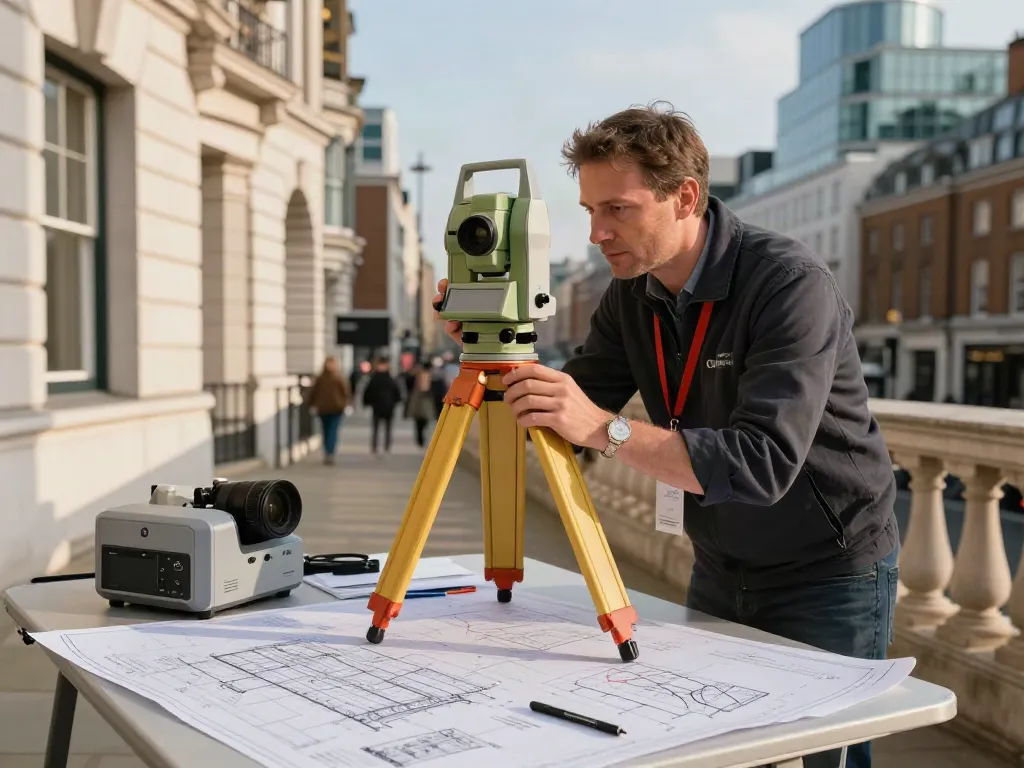
Laser scanning technology captures millions of data points in a matter of minutes, creating detailed 3D models that can be used for analysis and planning. Total stations combine traditional surveying techniques with electronic measurements, providing precise distance and angle data that is vital for accurate surveying.
How BIM Integration Enhances Survey Outcomes
Building Information Modelling (BIM) allows for the integration of surveying data into a digital platform, fostering collaboration among various stakeholders in a construction project. BIM enhances visualisation, helping teams identify potential issues early and streamline project execution.
Future Technologies Impacting Surveying Processes
Emerging technologies such as Artificial Intelligence (AI) and machine learning are set to transform the surveying landscape. These technologies can analyse large volumes of data, offering predictive insights that can inform design and construction strategies more effectively than ever before.
Challenges Faced by Measured Building Surveyors in London
While measured building surveyors provide essential services, they also face unique challenges that require expertise and adaptability:
Dealing with Complex Urban Structures
The intricate layouts of urban environments like London present challenges for surveyors. Buildings often have irregular shapes, extensions, and varying elevation levels, making accurate measurements more difficult. Surveyors must deploy advanced techniques and tools to navigate these complexities effectively.
Regulatory and Compliance Issues
Surveyors need to stay updated on local regulations and compliance standards, which can vary across different boroughs in London. Ensuring adherence to these regulations is critical for the success of any project, and failure to do so can result in legal ramifications and project delays.
Mitigating Client Misunderstandings and Expectations
Clear communication is key to managing client expectations. Surveyors must provide comprehensive explanations of their processes and the limitations of surveys to avoid misinterpretations that could affect project outcomes. This often involves educating clients on the importance of detailed measurements and risk assessment strategies.
The Future of Measured Building Surveying in 2026
As we look ahead to 2026, several trends and predictions are poised to shape the future of measured building surveying:
Emerging Trends in London’s Surveying Landscape
The demand for sustainable and smart building practices is rising, pushing surveyors to adopt environmentally friendly techniques and technologies. This includes the use of drones for aerial surveys and the integration of sustainability assessments into traditional surveying services.
Predictions for Technology and Industry Practices
Advancements in automation and AI are expected to streamline surveying processes, reducing time spent on data collection and increasing overall accuracy. As these technologies become more accessible, smaller firms may gain a competitive edge in the market.
How Clients Can Benefit from Upcoming Innovations
Clients can expect greater transparency and communication throughout the surveying process as new technologies are integrated. Real-time data sharing and enhanced visualisation capabilities will allow clients to remain informed and involved in their projects, leading to better outcomes and increased satisfaction.
Frequently Asked Questions (FAQs)
What is the average cost of a measured building survey in the UK? The cost can vary significantly based on the project size and complexity, typically ranging from £500 to £2000.
What are the top 10 quantity surveying firms in the UK? The list may include established firms such as Turner & Townsend, AECOM, and Currie & Brown, among others.
How long does a measured survey take? The duration depends on the project's size; small surveys can take a few days, while larger projects might take weeks.
How to know if a surveyor is good? Look for qualifications, experience, and client testimonials to gauge a surveyor's reliability and expertise.
What factors should I consider when hiring building surveyors in London? Assess their experience, technology use, client feedback, and ability to meet regulatory requirements to ensure you select a qualified professional.