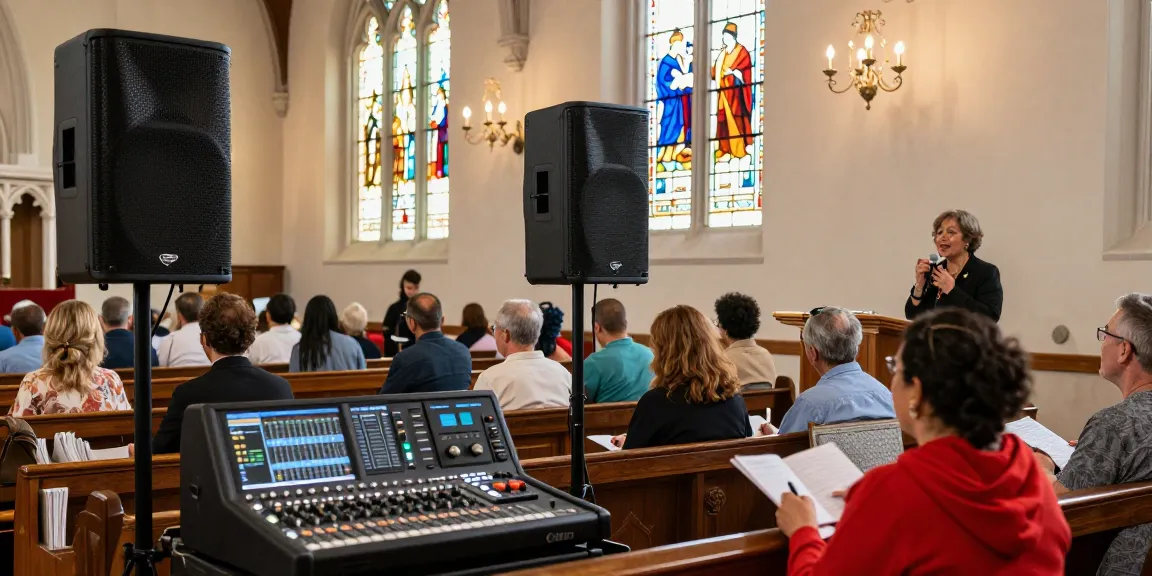
Understanding the Importance of a Quality Church Sound System
The role of sound in a church setting transcends mere amplification; it is integral to the worship experience. A well-designed church sound system not only enhances the clarity of sermons but also fosters deeper engagement during musical worship and congregational activities. In 2026, as technology continues to advance, the expectations for audio quality in places of worship have grown. This makes it crucial for churches to invest in comprehensive sound solutions tailored to their specific needs. When exploring options, church sound system installation provides comprehensive insights into effective system design, component selection, and installation services.
Why Sound Matters in Worship Services
Sound serves as the backbone of communication within a church, facilitating both intimate and communal experiences. High-quality audio systems ensure that every voice, musical note, and spoken word is delivered with clarity, reaching everyone effectively. Poor sound quality can detract from the worship experience, leading to frustration among congregants and a disconnect from the service.
Common Challenges with Church Audio Systems
Churches often face unique acoustic challenges due to their architecture, size, and materials used in construction. Common issues include:
- Reverberation: Echoes can muddle sound, making it difficult for congregants to understand spoken words.
- Coverage: Ensuring that every area within the church receives adequate sound can be challenging, especially in larger spaces.
- Feedback: This annoying sound occurs when the microphone picks up sound from the speakers, creating an endless loop.
Key Features of Effective Sound Installations
An effective church sound system incorporates several key features:
- Quality Speakers: Choosing the right type of speakers (e.g., line arrays, point source) based on the church's architecture is essential.
- Mixing Console: A versatile mixing console that can handle multiple inputs is critical for balancing sound during services.
- Microphones: The choice between wired and wireless microphones can affect flexibility and audio quality.
Choosing the Right Equipment for Your Church
Selecting the correct audio equipment is pivotal for achieving the best sound experience. A thoughtful approach to equipment selection can minimize potential issues and enhance the overall audio quality during services and events.
Types of Speakers and Their Applications
Speakers are the heart of any sound system. Options available include:
- Line Array Speakers: Best suited for larger spaces, these speakers provide consistent sound coverage by distributing sound evenly across a large area.
- Point Source Speakers: Suitable for smaller venues, these speakers project sound directionally, making them a good choice for localized audio needs.
Mixing Consoles: Finding the Best Fit
Mixing consoles are crucial for managing audio inputs from various sources, including microphones and instruments. Features to consider include:
- Channel Count: Ensure the console has enough channels for all the inputs you need.
- Digital Versus Analog: Digital boards offer more flexibility and features, while analog boards are often simpler to use and integrate.
Microphones: Wired vs. Wireless for Worship
Microphones are vital for capturing sound. Choosing between wired and wireless options depends on several factors:
- Wired Microphones: Provide reliability and eliminate the risk of signal loss but limit movement.
- Wireless Microphones: Offer greater flexibility and mobility, which can enhance presentations and performances.
Steps for a Successful Church Sound System Installation
The installation process is critical to the overall success of your church sound system. Each step must be meticulously planned and executed for optimal results.
Conducting an Acoustic Assessment of Your Space
The first step is to conduct a thorough acoustic assessment of your church. This involves examining the following:
- Room Dimensions: Understanding the size and shape of your space helps in planning the speaker placement.
- Surface Materials: Different materials absorb or reflect sound differently, affecting overall acoustics.
Planning the Installation Layout and Design
Once the assessment is complete, it’s essential to plan the layout. Factors to consider include:
- Speaker Placement: Positioning speakers for optimal coverage without creating dead zones.
- Access to Power: Ensuring convenient access to power outlets for all equipment.
Executing the Installation: Best Practices
Follow best practices during installation to ensure success:
- Test Equipment: Always test your equipment before the first service to iron out any issues.
- Run Cables Neatly: Ensure that cables are secured and organized to prevent accidents.
Maintenance and Troubleshooting of Church Audio Systems
Regular maintenance of church audio systems is essential to ensure longevity and performance. This involves routine checks and being aware of common issues that may arise.
Regular Maintenance Tips for Longevity
Maintain your sound system through:
- Periodic Testing: Regularly test all components to ensure they are functioning correctly.
- Cleaning Equipment: Dust and debris can affect performance; keep equipment clean and stored properly.
Common Technical Issues and Solutions
Some common issues in church audio systems include:
- Volume Imbalance: Adjust levels on the mixing console to remedy this issue.
- Feedback: Identify the source of feedback and adjust microphone placement or gain settings.
When to Call a Professional for Repairs
If you encounter persistent issues or complex technical problems, it’s advisable to call in a professional to assess and repair your system. Regular consultations with an AV specialist can help maintain the integrity of your system and enhance performance.
Future Trends in Church Sound System Technology
As technology evolves, new trends are shaping the future of church sound systems. Staying updated with these advancements can greatly influence the worship experience.
Emerging Technologies for Enhanced Worship Experiences
New technologies like artificial intelligence and automated sound adjustment systems can enhance audio performance by adapting to the acoustics of the space.
The Role of Digital Signage in Modern Worship
Digital signage is increasingly utilized in churches to convey messages effectively, engage congregations, and showcase announcements in real-time. Integrating sound systems with digital displays can create a cohesive communication strategy.
Preparing for Advancements in Audio Technology by 2026
As we look towards 2026, churches should prepare for advancements such as:
- Integration of IoT Devices: Smart devices will increasingly streamline sound operations, allowing remote management and monitoring.
- Enhanced User Interfaces: The development of user-friendly interfaces for sound systems will make it easier for volunteers to operate equipment efficiently.
What are the key components of a church sound system?
Essential components include speakers, mixing consoles, microphones, and amplification equipment. Each element must be selected based on the specific needs of the church.
How can I improve sound quality in my church?
Improving sound quality involves investing in quality equipment, conducting regular maintenance, and ensuring proper placement of audio components.
What are the benefits of wireless microphones in worship?
Wireless microphones offer flexibility for speakers and performers, allowing them to move freely while still maintaining clear sound quality.
How often should I maintain my church audio system?
Regular maintenance should be conducted at least once a month, with thorough checks performed before significant events.
What trends should I expect for church audio technology in the near future?
Expect advancements in AI for sound management, more integrated technologies, and a push towards cloud-based solutions for audio and visual needs.